Cooking oil is among the items that most people utilize often, but do not consider. It is easy to grab whichever bottle is close by and assume that it’s suitable to do everything. Oils react differently depending upon the heat, flavor, or fat composition. Understanding the differences between oils is a great way to make better home-cooked food.
The choice should not be based solely on trends or headlines. The choice should be by evaluating the performance of each oil under actual cooking conditions.
The importance of choosing an oil is more important than you believe
In cooking, oil performs three crucial roles. It is a conduit for heat from the oven to the food. It isn’t always obvious or noticeable. Thirdly, it can affect nutrition, depending on the kind of fat used and the degree of stability it has when heated to high temperatures.
Overheated oils begin to decompose. It also can cause unpleasant flavor and decrease the nutritional value. Unsuccessful oil can make food taste flat, bitter or greasy even when it’s a great recipe.
Use Olive Oil in a specific way when Cooking
Olive oil is among the most widely used and well-studied cooking oils. It is made by pressing olives, it’s a great source of monounsaturated fats along with antioxidants like polyphenols and vitamin E.
Extra virgin oil is spicy, fruity and strong. This makes olive oil suitable for cooking perfect for salad dressings marinades, roasting vegetables, light sauteing, and finishing dishes. The flavor is enhanced by these types of situations and is not diminished.
The smoke point of extra-virgin olive oils is much lower than many people believe. For cooking with higher heat refined olive oil is better. It has a milder flavor and has a greater resistance to heat. This makes it ideal for higher temperature frying, baking, roasting and baking.
Olive oil is healthy and tasty food item when used properly.
Coconut Oil: Stable and Specific
Coconut oil is a different kind of oil as olive oil does. It is high in saturated fats and is therefore very stable under temperatures. Coconut oil is utilized for cooking due to its superior stability.
Coconut oil refined has a mild flavour and works well for baking and frying, where stability of heat is essential. Unrefined coconut oil is able to retain an intense coconut aroma and taste. It can improve the taste of certain meals like dishes, curries, and stir-fries. But, it can also cause problems when used in savoury meals.
In terms of health It is best to apply coconut oil more frequently than on a regular basis. It’s a winner in high heat but does not have the same antioxidant profile as olive or avocado oil.
Avocado oil: heat-friendly, and neutral
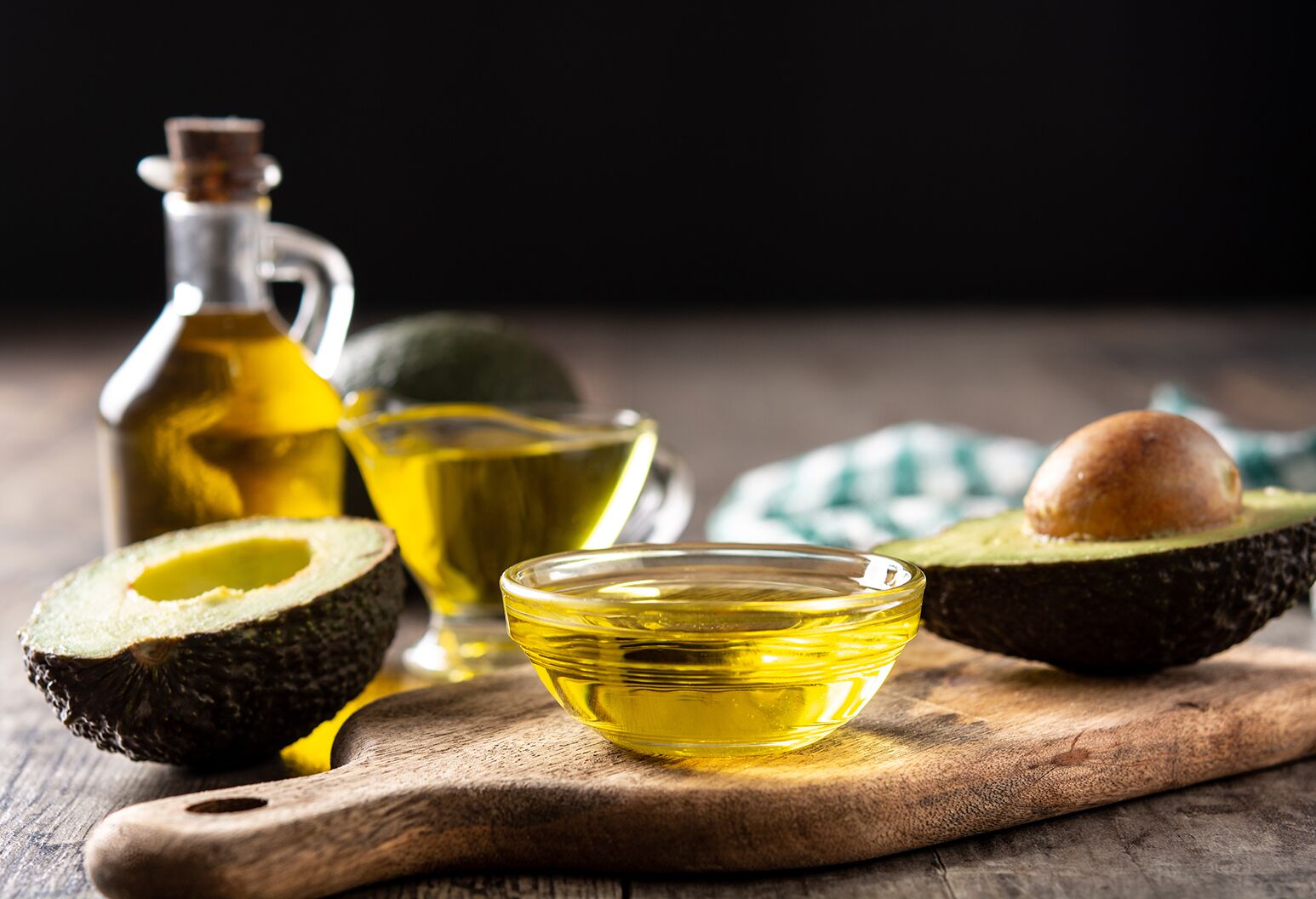
Avocado oil is popular because it can withstand heat very well. Avocado oil for cooking has one of the highest smoke points of commonly used oils, which makes it ideal for searing, roasting, grilling, and frying.
Avocado oil is more rich in monounsaturated fats and vitamin E than coconut oil. This helps to make it healthier. The flavor is mild and neutral making it a great choice when you don’t want the oil to impede the flavor of the food.
Avocado oil is an excellent option for cooking at high temperatures.
How to Utilize Oils effectively
There isn’t one oil that is ideal for every job. It is best to have a variety of options and to use them all.
Olive oil is the best choice when nutrition and flavour are important. Avocado oil is ideal for high-heat cooking. Coconut oil is suitable in which heat stability or its distinctive flavor is sought after.
Understanding these differences removes guesswork from cooking and leads to more predictable outcomes.
Better Cooking Begins With the Right Basics
It’s not required to use expensive ingredients or complicated cooking methods to cook well. Simple, consistent decisions made with experience are often essential.
It’s simple to boost your confidence and improve the taste and texture of food by understanding how to cook with avocado oil, olive oil or coconut oil. Once you understand the way oils behave the way they behave, everything else is easier and cooking becomes much more enjoyable.